Monday, September 16, 2019

Viva la independencia mexicana!

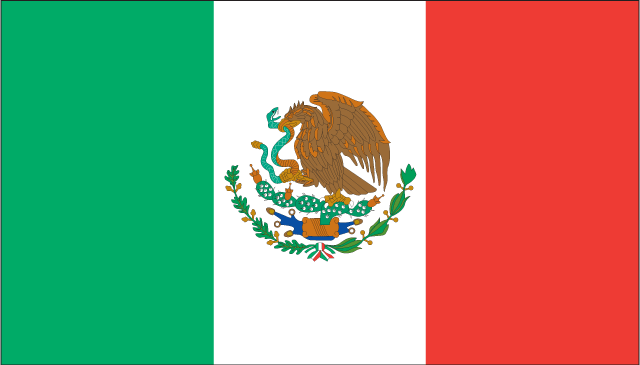
The Flag of the United Mexican States
Estados Unidos Mexicanos

September 16th is a special day for all of us in the Americas as our
neighbor Mexico celebrates  Independence Day, commonly known as el 16 de septiembre.  Enjoy the diverse voices of people from throughout Mexico as they celebrate their beautiful and beloved nation.

SpanishEnglish Translation
México lindo y querido
Si muero lejos de ti
Que digan que estoy dormido
Y que me traigan aquí
Lovely, beloved Mexico
If I die far from you
May they say that I'm asleep
And may they bring me back here[3


What is Mexican Independence Day, and why is important to the people of the Americas?
Mexico was ruled by Spain for hundreds of years. Sadly, the Mexican people did not have equal rights with their Spanish rulers. Many Mexican people were treated almost like slaves. How did the Mexican people get their independence?
One tradition that takes place in Mexico is known as "el grito."  View a grito from the National Palace in Mexico City.


How did the grito get started? Read about a hero of Mexican Independence, Father Miguel Hidalgo y Costilla. Be prepared to recreate Father Hidalgo's speech, a speech that started a revolution and freed millions of people.

Wednesday, September 4, 2019

What is Corroborating Evidence? Why is it Important?

As Dr. Hernandez is investigating the food fight, she cannot rely on just one account of what happened. She will interview more than one witness to find corroborating evidence. For example:
Student X Says:  "Teddy threw the first carrot."
Student Y Says:  "I also saw Teddy throw the first carrot."
Now, the evidence against Teddy is corroborated.

Then, Student Z says: "It wasn't Teddy! It was actually Student X who threw the first carrot!"
Now, there is a contradiction.

Historians also look for corroborating evidence when trying to figure out what happened in the past. They never rely on just one piece of evidence. Good historians also pay careful attention to evidence that is contradictory.

1. As you continue with your analysis of primary sources about slavery, you will complete number 4 for two different pieces of evidence: 
This source corroborates with / contradicts source number ____ because...

2.  Now you will read a secondary source of information about slavery in the Roman Empire. As you read, highlight at least one new fact about slavery in each paragraph.

3.  The story of Spartacus was eventually made into a Hollywood film. View the clips from the movie. From what you have researched about slavery in the Roman Empire, do you feel the movie is historically accurate? Please respond in the blog comment box below.


Friday, August 30, 2019

How did the Romans Build their Empire?


Roman Engineering


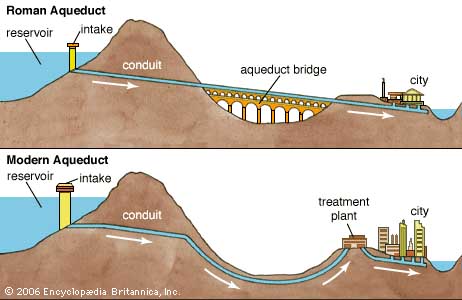
1.The Romans invented new materials and technologies used for building. Complete the I see/know/wonder/observe statements for each image on the chart.
2. View and take notes on the short video below.
3. Complete the Quickwrite.


The Baths of Caracalla

Go to The Baths of Caracalla  NOVA site to take a virtual tour of the most magnificent of all the Roman baths. As you "stroll" through the baths, record four facts on each stage of your experience. Try to pick the most interesting and important facts to share with your group.

Red: Toilets
Blue: Palaestra
Green: Caldarium and Frigidarium
Yellow: Food and Drink 

Historical Fiction:
4. Historical fiction is an imagined, fictional story that includes true details about history. You will use your notes to complete a Historical Fiction Quickwrite on your day at the Baths of Caracalla. Be sure to use sensory details to bring the setting to life for your reader.

Your note-taking chart and Quickwrite can be found in your Social Studies folder.
The Public Baths
Quickwrite: My Day at the Baths

Monday, August 26, 2019

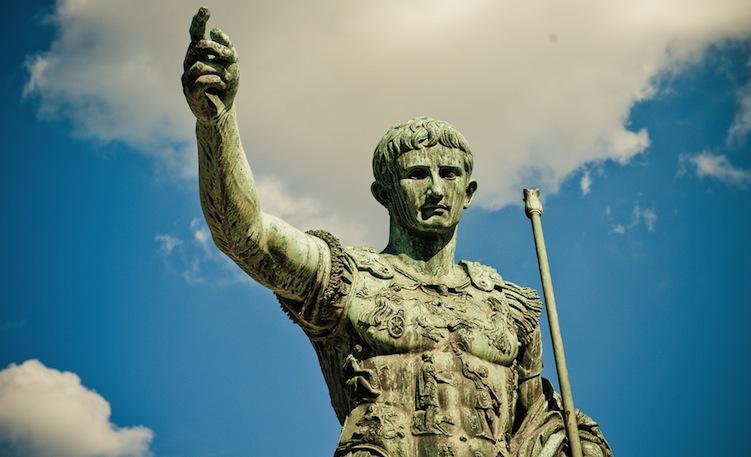
What Kind of Leader was Augustus?

Commodus, Elagabalus, Nero and Caligula
Common Core Standards 
CCSS.ELA-LITERACY.RH.6-8.1
CCSS.ELA-LITERACY.WHST.6-8.1

The Roman Empire is famous for some truly bad emperors. This video will teach you about four infamously bad Roman leaders.

Horrible Histories - Bad Roman Emperors from Matt on Vimeo.


What Makes a Good Leader?


1. Rome's famously bad emperors were cruel, selfish, dishonest and unfair.
Which quality do you think would be most important for a great Roman emperor? Record your response on the form.


Historical Investigation: What kind of leader was Caesar Augustus?


Read the primary sources on this famous leader of the Roman Empire. Carefully consider to what extent each source is reliable. Also look for evidence that can be corroborated and evidence that contradicts other sources. 
     Prompt for Writing: After carefully analyzing all the evidence, write a short argument that presents your claim about Augustus. Be sure to support your claim with evidence from the sources.

Before writing, analyze a model argument about the wolf who was made famous in children's literature.
Short Argument

Sunday, August 25, 2019

Historical Investigations

Time-travel has not been invented yet, so how do we really know what happened in the past? 

Imagine that Dr. Hernandez walks into this scene. She needs to know who was involved in the food fight so those individuals can be asked to clean up the mess.  She cannot turn back the clock. How will she investigate these events?

Dr. Hernandez will hear many different accounts of what happened. How will she determine which accounts are more reliable, or trustworthy?

As you view the following presentation, think about:
What evidence did the medieval people leave behind that we can use to formulate accounts about the past?


As Dr. Hernandez is investigating the food fight, she cannot rely on just one account of what happened. She will interview more than one witness to find corroborating evidence. For example:
Student X Says:  "Teddy threw the first carrot."
Student Y Says:  "I also saw Teddy throw the first carrot."
Now, the evidence against Teddy is corroborated.

Then, Student Z says: "It wasn't Teddy! It was actually Student X who threw the first carrot!"
Now, there is a contradiction.

Historians also look for corroborating evidence when trying to figure out what happened in the past. They never rely on just one piece of evidence. Good historians also pay careful attention to evidence that is contradictory.

We will keep this mind when conducting our first historical investigation: What kind of leader was Octavian Augustus?


Monday, August 19, 2019

How did the Roman Empire Expand?

From Republic to Empire
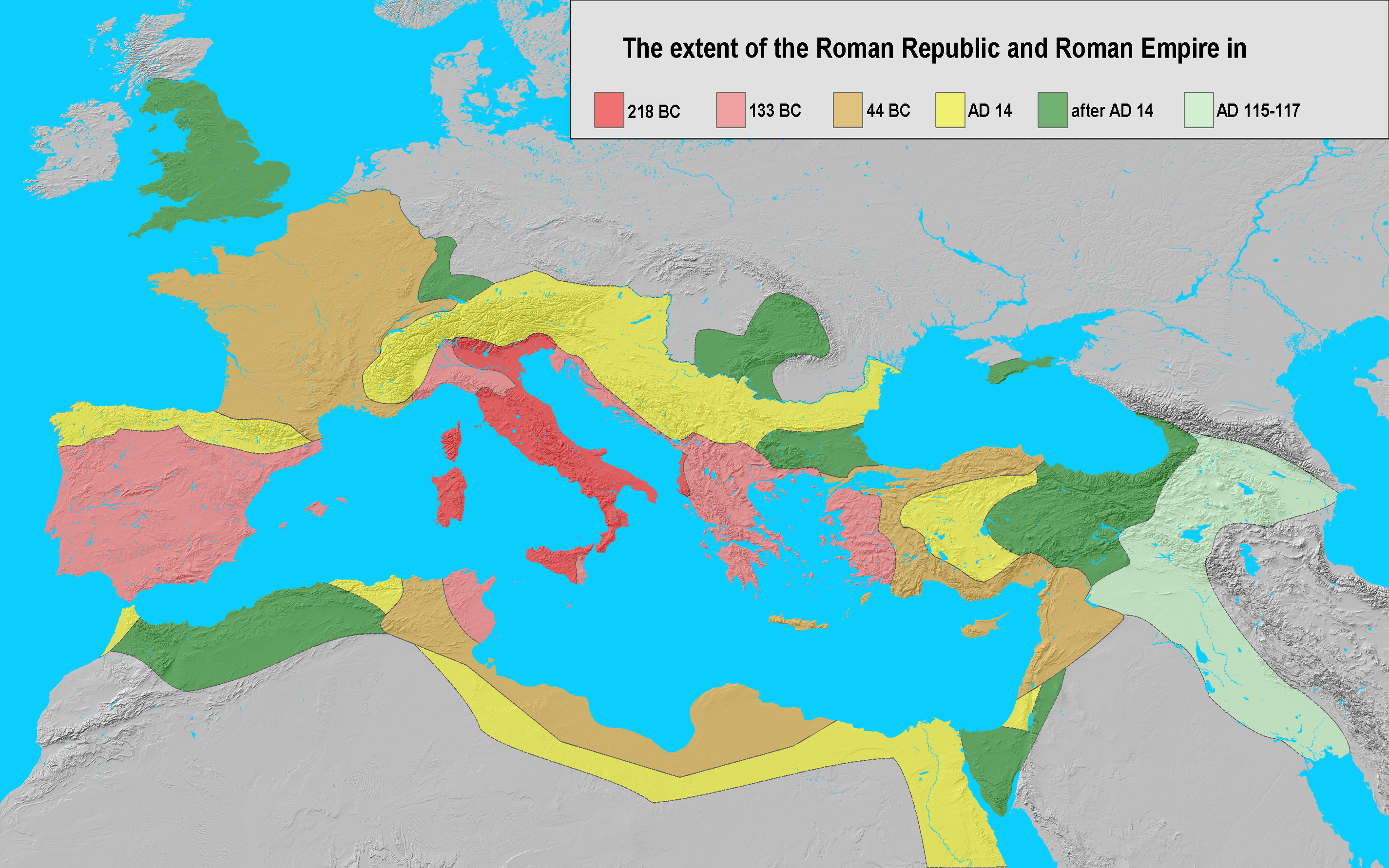
As you learned in 6th grade, the Roman Republic included what is today known as the country of Italy (in red).

Yet, for the next several centuries, the Roman Republic expanded into what is known as the Roman Empire.


Using the internet or your textbook as a resource, label the following on your map of the Roman Empire:


Bodies of Water
Mediterranean Sea, Black Sea, Atlantic Ocean

Rivers 
Nile River, Rhine River, Danube River

Territories
Spain, France (Gaul), Germany, Greece, England, Egypt, Italy, Israel

Continents 
AFRICA, ASIA, EUROPE

Draw and Label
Pyrenees Mountains
Alps

Star and label the Capital City
Rome


Monday, March 18, 2019

Historian Career Task: Mansa Musa's Hajj

After the death of Sundiata, his legacy continued with another famous king and hero of the African people: Mansa Musa. What can you predict about Mansa Musa from this song? Be prepared to share three predictions about the "King of Kings" with your partner.


The Real Mansa Musa: The King of Kings


1. Go to    PHSchool.com
Enter Code:  mxp-3053  for an introduction to Mansa Musa's Haj.
2. Was Mansa Musa really the richest person the world has ever known? Listen to the short presentation. Then analyze the three sources on Mansa Musa's wealth.


Historian Career Task
You have been hired to create an educational ebook for an online learning program. The topic of the ebook will be Mansa Musa's hajj. You will use your skills as a historian to create a fictional journal that will guide ebook readers through Mansa Musa's famous hajj. Though fictional, the first-person entries will be based on factual information from reliable historical documents. Your challenge will be to keep your young readers engaged with a good story, but to also inform your readers about the geographical, cultural, and political aspects of the journey.

To create your ebook, you will use a template provided by the teacher. Please make a copy of the slides.
You will begin by selecting a realistic persona for your journal entries:
1. Ferba: one of the several governors of the empire of Mali. Mansa Musa has brought you along to keep you from rebelling in his absence.  
2. Griot: oral historian/storyteller. You will be the "living memory" of the trip. You will entertain with music, stories, and dance.
3.  Muslim Scholar: You are fluent in  many languages and well-educated. You will give Mansa Musa advice on the long journey, especially as the caravan encounters people of different cultures and kingdoms.
4. Soldier: You are one of several thousand soldiers protecting the king's caravan.
5. Slave: Slaves of all ages went on the hajj.  It was your duty to care for the people and animals of the caravan.

You will also need to pick your gender and a name:

Female Names: Kankou, Sogolon, Binta, Ashaki
Male Names: Muhammad, Wali, Khalifa, Ule

To begin, you will research primary and secondary sources. You will select important details from the documents that you will later incorporate into your journal entries.

View the short video as an introduction to today's journal entry:
Cairo.